
"Sierra Maestra"
920 article(s) found

The process of making Cuban coffee, the production of Cuban coffee
Following Cafe Review (Wechat official account vdailycom) found that the production process of Cuban coffee that Beautiful Caf é opens a small shop of its own is to brew Crystal Mountain Coffee, preferably with a hand brewer or American coffee machine, the water temperature is below 85 ℃, the match style cooking method should not have too much firepower and do not take too long. When tasting coffee, because it is mellow, you can put more milk, but less sugar.

Coffee cultivation and development in Cuba
Coffee farming in Cuba began in the mid-18th century, with the first coffee farm established by Don Jos Gelabert in Wajay, outside Havana, in 1748. A large number of French and submarine immigrants followed after the outbreak of the Haitian Revolution in 1789.

Mysterious, low-key Cuban coffee flavor
For more information on coffee beans, please follow the history of coffee workshops (official Wechat account cafe_style): the coffee industry in Cuba began in the mid-18th century. The first coffee farm was established by Don Jos Gelabert in Wajay on the outskirts of Havana in 1748. The seeds of coffee came from Santo Domingo at that time, that is, Dominica today.

Cuban Crystal Mountain Cup data description of Coffee Flavor in Small producers small producing areas
Cuba is familiar with distant countries, familiar with the Cuban baseball team often win all levels of baseball world championships, far away is Cuba on the other side of the world in the beautiful Caribbean, coffee and other Cuban agriculture are managed by the state, often grown with banana sugar cane, coffee is the best production place for Sierra Maestra Mountains, rich in fine soil, rich in

Island Coffee | Cuban Crystal Mountain Coffee Flavor introduction what is Crystal Mountain Coffee
Variety: Tibica Typica grade: Crystal Mountain production area: Sierra Crystal, Sierra Maestra, sierra Escambray altitude: 1500 m refined method: 100% washing fermentation, greenhouse shelf sun drying reference flavor: vanilla, fresh woody, berry, melon Cuban Crystal Mountain Coffee is a typical island bean with clean taste, delicate taste and fine taste.
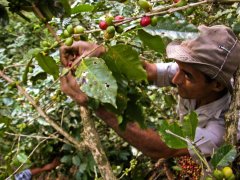
How to make Cuban coffee? Geographical features of Cuba and culture of coffee cultivation, production and consumption
Cuba Geography and Coffee Cultivation: An important coffee-growing region of Cuba is located in the Sierra Maestra Mountains in eastern Cuba. The pleasant climate and fertile reddish-brown soil are rich in humus, so coffee can be grown without fertilizer, giving Cuba a good reputation for growing some of the best coffee. The towns of the Maestra Mountains have a history of growing coffee, people

History of Cuban Coffee
Pay attention to coffee reviews (Weixin Official Accounts vdailycom ) and find a beautiful cafe to open its own small shop Cuban coffee introduction Crystal Mountain Coffee is synonymous with top Cuban coffee, because in addition to coffee cultivation in this area, quartz, crystal and other precious minerals are produced. Crystal Mountain Coffee is characterized by its large size and bright green color. its flavor

Sino-American Coffee | Cuban Coffee producing areas introduce the special flavor of traditional Cuban coffee
Cuba has grown coffee for more than two centuries, including high-quality Arabica coffee varieties. Cuban coffee is usually strong espresso. Traditional Cuban coffee is dark roasted, finely ground coffee, using an espresso machine or mocha pot to make espresso. An important coffee growing area in Cuba is located in Selama Estra in eastern Cuba.

How to cook Cuban coffee?
Professional coffee knowledge exchange More coffee bean information Please pay attention to coffee workshop (Weixin Official Accounts cafe_style) Cuba familiar and distant country, familiar with Cuba baseball team often wins the world championship of all levels of baseball, distant Cuba on the other side of the earth beautiful Caribbean Sea, coffee and other Cuban agriculture are unified management of the state, often with banana sugar cane

Introduction to Cuban Crystal Coffee Plantation
The earliest archaeological landscape of coffee plantations in southeastern Cuba, located in the Maestra Mountains in southeastern Cuba, was a coffee-growing area in southeastern Cuba in the 19th and early 20th centuries. Mount Maestra averages 1500 meters above sea level, straddling Guantanamo and San Diego

Introduction of Crystal Coffee Manor in southeastern Cuba
The earliest archaeological landscape of coffee plantations in southeastern Cuba, located in the Maestra Mountains in southeastern Cuba, was a coffee-growing area in southeastern Cuba in the 19th and early 20th centuries. Mount Maestra averages 1500 meters above sea level, straddling Guantanamo and San Diego

The earliest coffee plantation in southeastern Cuba introduces crystal coffee.
The earliest archaeological landscape of coffee plantations in southeastern Cuba, located in the Maestra Mountains in southeastern Cuba, was a coffee-growing area in southeastern Cuba in the 19th and early 20th centuries. Mount Maestra averages 1500 meters above sea level, straddling Guantanamo and San Diego

How do you drink Cuban coffee? How does Cuban coffee taste good? Mocha pot Cuban coffee brewing course
Professional coffee knowledge exchange more coffee bean information please follow the coffee workshop (Wechat official account cafe_style) Cuba is familiar with and distant countries, familiar with the Cuban baseball team often win all levels of baseball world championships, far away is Cuba on the other side of the world in the beautiful Caribbean, coffee and other Cuban agriculture are managed by the state, often with incense
Cuban Coffee Fine beans-what kind of Coffee is Crystal Mountain Coffee? how do you brew Cuban coffee?
Professional coffee knowledge exchange more coffee bean information please follow the coffee workshop (Wechat official account cafe_style) Cuba is familiar with and distant countries, familiar with the Cuban baseball team often win all levels of baseball world championships, far away is Cuba on the other side of the world in the beautiful Caribbean, coffee and other Cuban agriculture are managed by the state, often with banana sugar cane

Coffee producing areas in Cuba
The establishment of the earliest seven coffee plantation sites, including Raglan Piedra, Elkovre, El Salvador and Nisto Perez, are listed as World Cultural Heritage. The seven coffee plantations were reclaimed in the 19th century on virgin land in the foothills of Maestra (postcard in figure 17) in the southeastern provinces of Santiago and Guantanamo. Coffee production in Cuba: Cuba (Cuba)
Basic knowledge of boutique coffee Cuban coffee
According to records, there were 2067 coffee plantations in Cuba in 1833. Among them, the earliest seven coffee plantation sites, such as Raglan Piedra, Elkovre, El Salvador and Nisto Perez, are listed as World Cultural Heritage. These seven coffee plantations are located in the foothills of Maestra in the provinces of Santiago and Guantanamo in southeastern Cuba in the 19th century (figure 17 is a postcard).

Coffee flavors from different coffee producing areas around the world Coffee production in Cuba
Cuba recorded that there were 2067 coffee plantations in Cuba in 1833. Among them, the earliest seven coffee plantation sites, such as Raglan Piedra, Elkovre, El Salvador and Nisto Perez, are listed as World Cultural Heritage. The seven coffee plantations are the foothills of the Maestra Mountains in the provinces of Santiago and Guantanamo in southeastern Cuba in the 19th century (figure 17 is a postcard).

Coffee production in Cuba
In 1833, Cuba had 2067 coffee plantations. Among them, seven coffee plantation sites, such as La Gran Piedra, Elkofre, El Salvador and Nisto Perez, which were the earliest established coffee plantations, are listed as world cultural heritage sites. These seven coffee plantations were established in the 19th century in the foothills of Maestra in the provinces of Santiago and Guantanamo in southeastern Cuba (postcard in Figure 17).
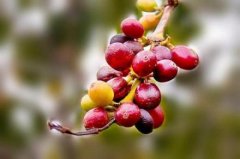
The characteristics and Market of Cuban Coffee
According to records, there were 2067 coffee plantations in Cuba in 1833. Among them, the earliest seven coffee plantation sites, such as Raglan Piedra, Elkovre, El Salvador and Nisto Perez, are listed as World Cultural Heritage. These seven coffee plantations are located in the foothills of Maestra in the provinces of Santiago and Guantanamo in southeastern Cuba in the 19th century (figure 17 is a postcard).
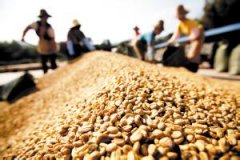
High-quality coffee bean producing countries introduce Cuban coffee
According to records, there were 2067 coffee plantations in Cuba in 1833. Among them, the earliest seven coffee plantation sites, such as Raglan Piedra, Elkovre, El Salvador and Nisto Perez, are listed as World Cultural Heritage. These seven coffee plantations are located in the foothills of Maestra in the provinces of Santiago and Guantanamo in southeastern Cuba in the 19th century (figure 17 is a postcard).